



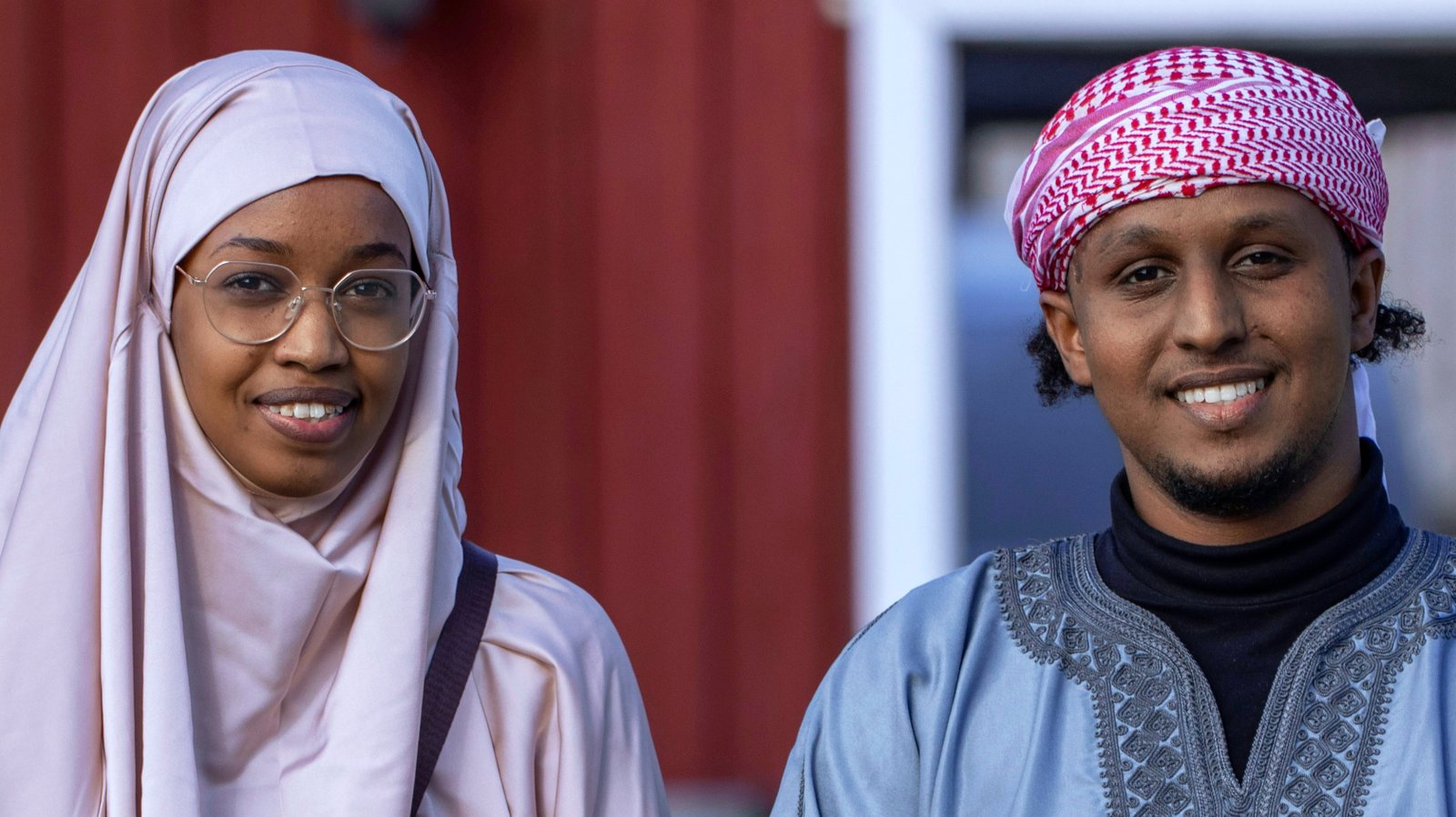

Exploring the Rich Ethnic Traditions of the Horn of Africa
The Horn of Africa is a treasure trove of cultural diversity, home to a mosaic of ethnic groups whose traditions, languages, and lifestyles have been preserved for centuries. Among the most prominent are the Somali, Oromo, and Afar people, along with many smaller communities that contribute to the region’s rich cultural tapestry. Understanding their traditions offers travelers and enthusiasts a window into the heart of this vibrant region.
Somali Traditions: Poetry, Hospitality, and Clan Heritage
The Somali people are known for their pastoralist lifestyle, deeply rooted in livestock rearing and nomadic traditions. But what truly defines Somali culture is their love of poetry and oral storytelling. Poetry isn’t just entertainment—it is a way to preserve history, teach values, and celebrate life events such as births, weddings, and religious festivals.
Traditional dances like the dhaanto are performed at weddings and cultural gatherings, accompanied by songs that tell stories of bravery, love, and community life. Hospitality is central to Somali life; welcoming guests with tea and sharing meals is a sacred duty, reflecting respect and social cohesion.
The clan system remains a foundational structure, guiding social norms, conflict resolution, and cultural continuity. Visitors to Somali regions can experience vibrant markets, traditional music, and festivals that bring the community together in joyous celebration.
Oromo Traditions: The Gadaa System and Cultural Heritage
The Oromo, Ethiopia’s largest ethnic group, have a unique cultural identity shaped by the Gadaa system—a traditional democratic governance system organizing society into age groups with rotating responsibilities every eight years. This system ensures social order, equality, and the passing of knowledge across generations.
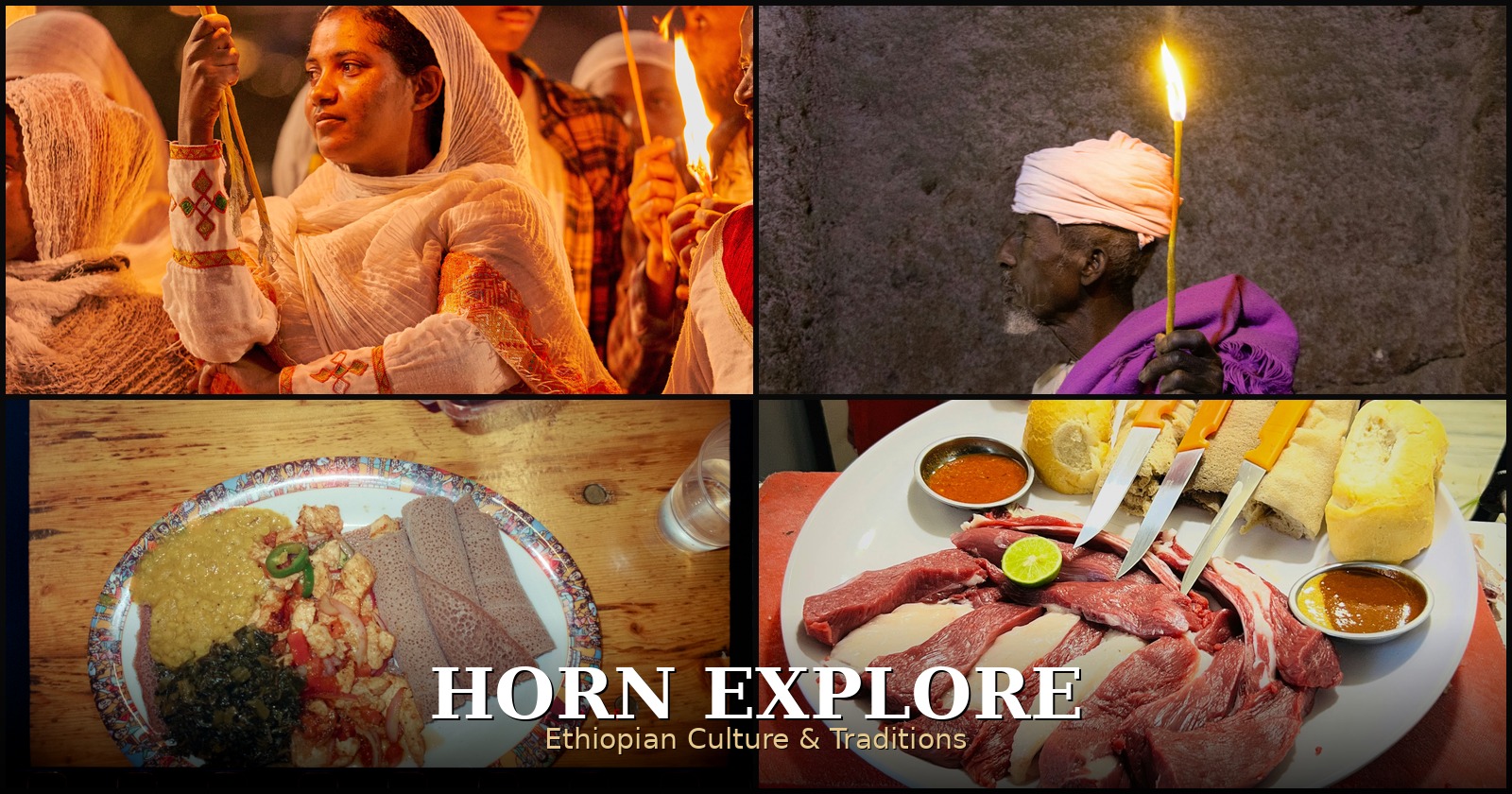
Oromo culture is also rich in music, dance, and storytelling, often tied to agricultural cycles, religious ceremonies, and rites of passage. Traditional attire, jewelry, and symbolic objects reflect both social status and regional identity. Festivals and communal gatherings are marked with vibrant performances, showcasing the Oromo’s deep connection to their land and heritage.
Afar Traditions: Resilience in Desert Life
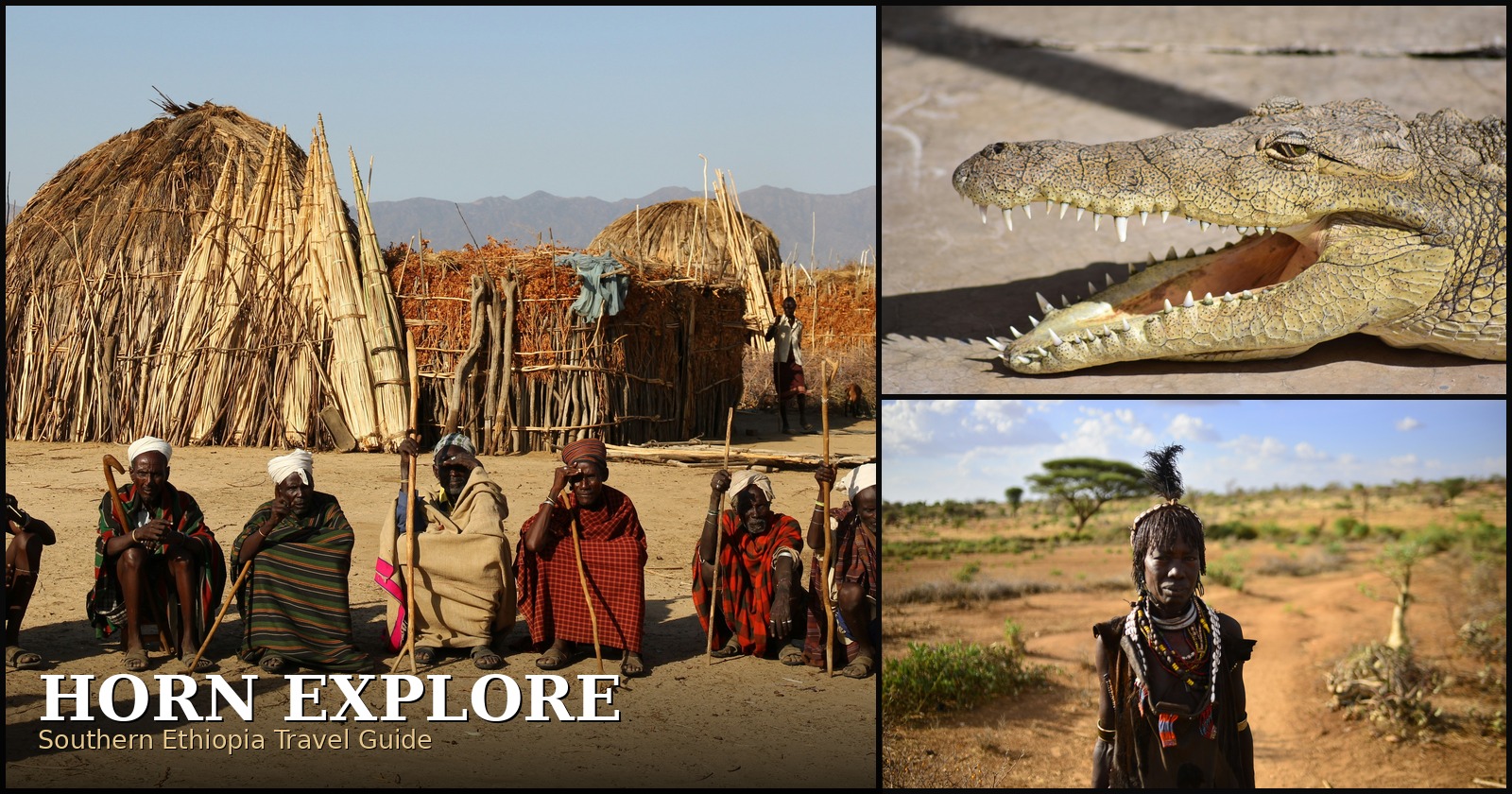
The Afar people, spread across northeastern Ethiopia, Djibouti, and Eritrea, are renowned for their resilience and nomadic lifestyle. Living in arid desert landscapes, Afar communities have developed unique survival strategies and strong social cooperation.
Clans form the backbone of Afar society, with elders playing a crucial role in guiding decision-making. Livestock is central to both livelihood and cultural celebrations, often accompanied by traditional songs and dances such as the Saar. Through storytelling, the Afar preserve knowledge about survival, moral lessons, and ancestral heritage, creating a living archive of their way of life.
Other Ethnic Traditions: A Mosaic of Cultures
Beyond the major groups, the Horn of Africa is home to Tigray, Somali Bantus, Beja, Kunama, and other smaller communities. Each has its own language, crafts, rituals, and culinary traditions. From weaving and pottery to local ceremonies, these groups maintain unique identities while interacting through trade, intermarriage, and migration.
This dynamic exchange enriches the cultural landscape of the region, offering travelers opportunities to witness a wide variety of traditions within a relatively small geographic area.
Why Explore the Ethnic Traditions of the Horn of Africa?
For travelers, immersing in the ethnic traditions of the Horn of Africa is more than sightseeing—it’s an experience of living history. From the poetic gatherings of the Somali to the democratic Gadaa ceremonies of the Oromo, and the resilient desert lifestyles of the Afar, each culture tells a story of survival, creativity, and community.
Cultural tourism in the Horn of Africa allows visitors to:
Participate in traditional festivals and ceremonies.
Learn about nomadic lifestyles and livestock-centered economies.
Enjoy local music, dance, and storytelling firsthand.
Gain insight into the historical and social fabric that shaped the region.
By understanding and respecting these traditions, travelers not only enrich their own experience but also contribute to the preservation of cultural heritage in the Horn of Africa.
Conclusion
The Horn of Africa stands as one of Africa’s most culturally rich regions. The Somali, Oromo, Afar, and many other ethnic groups offer an extraordinary blend of traditions that reflect resilience, creativity, and community. Exploring their customs, rituals, and stories provides a deeper appreciation of the region’s diversity and invites travelers to connect with the people, history, and landscapes that make the Horn of Africa truly unique.





Comment (0)
Leave A Comment: