


There are very few places left on Earth that still feel genuinely undiscovered. Ethiopia and Djibouti are two of them. This is a corner of the Horn of Africa where molten lava glows beside salt plains, where churches were carved downward into solid rock instead of built upward, and where entire cultures have kept traditions alive that predate most of what the rest of the world calls "ancient history."
At Horn Explore, we don't just send travelers to these places — we grew up next door to them. Below is our deep dive into the 14 experiences that, in our view, define a trip through Ethiopia and Djibouti: what each one actually feels like on the ground, why it matters, when to go, and what to know before you plan around it.
1. Lalibela's Rock-Hewn Churches
No photograph fully prepares you for standing inside a church that was carved downward out of a single block of volcanic rock nearly a thousand years ago, rather than built up from the ground. Tradition holds that Lalibela's eleven churches were commissioned by King Gebre Mesqel Lalibela in the 12th and 13th centuries as a "New Jerusalem" for pilgrims who could no longer reach the Holy Land after it fell to Muslim armies. Each church was hewn from a single monolith of volcanic tuff, connected by a maze of tunnels, trenches, and courtyards carved straight into the rock.
What makes Lalibela extraordinary isn't just the engineering — it's that these are still living, breathing places of worship. White-robed priests chant inside dim chambers lit by oil lamps, pilgrims press their foreheads to cold stone walls, and the smell of incense drifts through passageways that have barely changed in eight centuries.
Best time to go: Any time of year, but Ethiopian Christmas (Genna, early January) and Timkat season bring the churches to life with pilgrims from across the country.
Good to know: Modest dress is expected, and you'll want a full day (ideally two) to see all the major church clusters without rushing.
2. Trekking the Simien Mountains
Jagged escarpments, cloud-wrapped peaks, and drops that fall away into what feels like another world — the Simien Mountains look almost too dramatic to be real, which is part of why UNESCO listed them as one of Africa's first World Heritage Sites back in 1978. The range was formed by millions of years of volcanic uplift and erosion, leaving behind pinnacles, plateaus, and sheer cliffs that plunge more than a kilometre in places.
This is serious trekking country — multi-day routes wind past Ras Dashen, Ethiopia's highest peak, through Afro-alpine moorland dotted with giant lobelia plants. But you don't need to be a hardened trekker to experience the highlight: gelada monkeys. Unique to Ethiopia's highlands, these grass-grazing primates live in large, relaxed troops that barely react to a respectful human presence nearby — one of the few places on Earth you can sit within a few metres of wild primates going about their day.
Best time to go: October to March, when trails are dry and skies are generally clear.
Good to know: Trekking here requires a scout and, in national park zones, an armed guard — standard practice, not a safety concern specific to visitors.
3. Getting Lost in Harar's Old City
Harar is Ethiopia's most atmospheric city, hands down. Enclosed by a centuries-old wall known as Jugol — itself a UNESCO World Heritage Site — the old town is a labyrinth of narrow alleys, colourful doorways, spice markets, and more than 80 mosques and shrines packed into less than a square kilometre. Harar has long been considered one of the holiest cities in Islam, and its distinct architecture, dialect, and traditions set it apart from anywhere else in Ethiopia.
Then, once the sun goes down, come the hyenas. Local "hyena men" have fed wild spotted hyenas by hand just outside the city walls for generations — a practice rooted in old beliefs about keeping the animals fed so they wouldn't prey on livestock or people. Today, visitors can watch, and even feed a hyena by hand themselves, in an encounter that exists nowhere else in the world in quite this form.
Best time to go: Year-round; evenings are when the hyena feeding takes place.
Good to know: Harar's old city is best explored on foot with a local guide who can navigate the alleyways and explain the layered history behind them.
4. Lac Abbé, Djibouti's Lunar Landscape
Picture hundreds of limestone chimneys — some over 50 metres tall — rising out of a cracked, mineral-white plain, steam hissing from natural vents around their bases. Lac Abbé sits on the Ethiopia-Djibouti border, fed by the Awash River, and its otherworldly chimneys formed from mineral deposits left by geothermal springs over thousands of years. The lake itself has shrunk dramatically over the last century due to upstream damming, exposing more of this alien terrain.
The landscape has appeared in more than one science-fiction film as a stand-in for another planet, and once you watch the sun rise over the chimneys — silhouettes against a pink-and-orange sky, flamingos sometimes wading in the shallow water nearby — you'll understand exactly why.
Best time to go: November to March, avoiding Djibouti's brutal summer heat; sunrise is the classic time to visit the chimneys.
Good to know: This is remote desert terrain — visits are done as part of an organised overnight trip, typically with a stay in a traditional Afar camp near Dikhil.
5. Gonder's Medieval Castles
Sometimes called "Africa's Camelot," Gonder was Ethiopia's imperial capital from the 17th to mid-19th century, and its Royal Enclosure (Fasil Ghebbi) is a walled compound containing half a dozen stone castles, banqueting halls, and bathing pavilions built by successive emperors starting with Fasilides in 1636. The blend of Portuguese, Indian, Arab, and local Aksumite architectural styles makes it unlike any other royal complex in Africa.
A short distance away, the ceiling of Debre Berhan Selassie Church is covered in one of the most famous painted scenes in Ethiopian art: rows of winged cherub faces gazing down, painted in the 17th century and, according to local tradition, spared during a Sudanese Dervish raid when a swarm of bees drove off the attackers. Fasiladas' Bath, a sunken pool still used for ceremonial baptisms during Timkat, rounds out a day of exploring here.
Best time to go: Year-round; combine with Timkat in January for the full experience.
Good to know: Gonder pairs naturally with the Simien Mountains, since both are accessed from the same northern circuit.
6. Meeting the Lower Omo Valley's Ethnic Groups
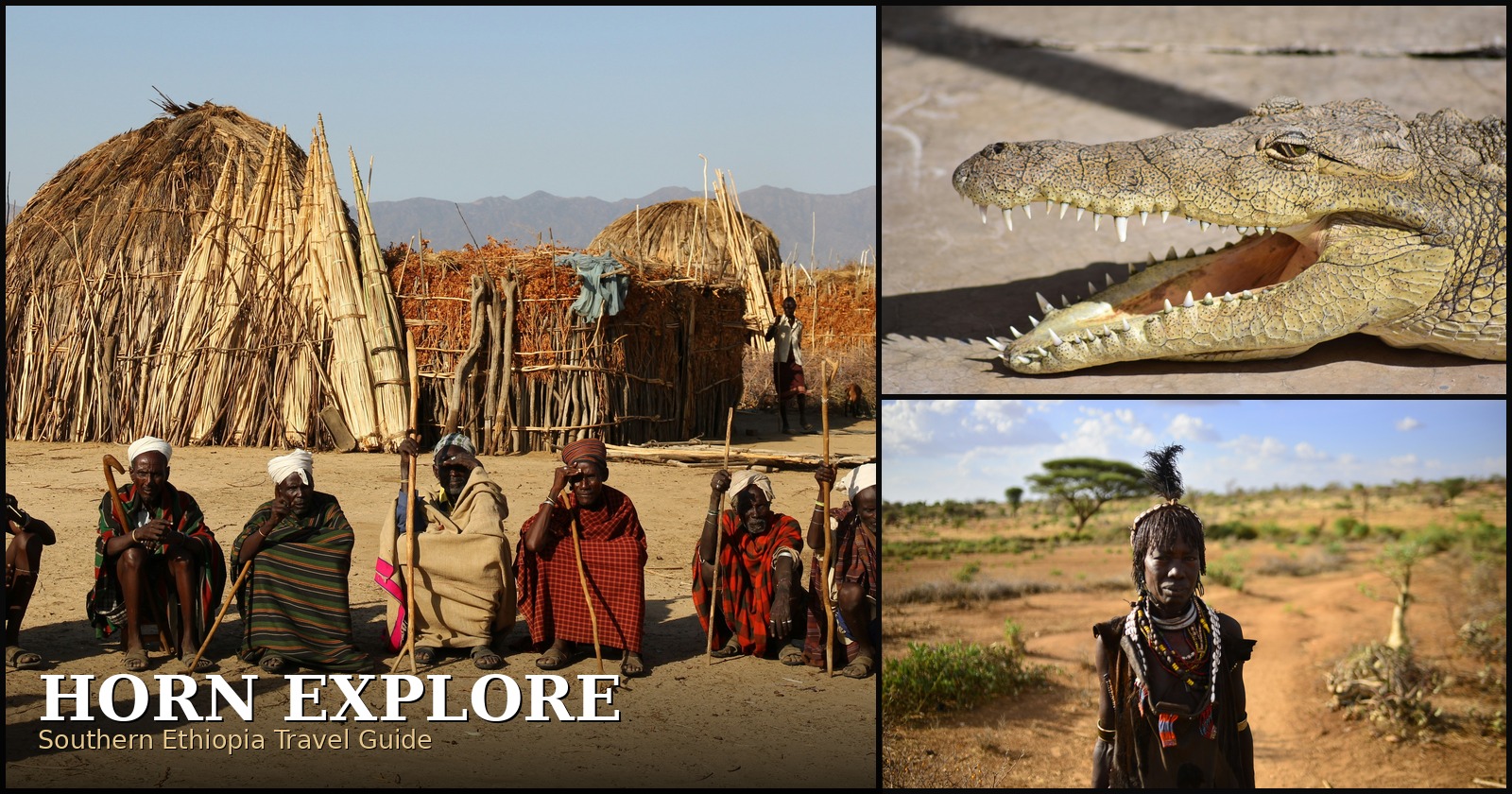
Few regions on Earth hold this much cultural diversity in such a small area. The Lower Omo Valley, in Ethiopia's southwest, is home to more than a dozen distinct ethnic groups — including the Mursi, known for the clay lip plates worn by some women; the Karo, known for elaborate body and face painting; the Hamar, known for bull-jumping coming-of-age ceremonies; and the Banna, recognisable by their calabash-decorated hairstyles.
Visiting local markets and villages here isn't a staged spectacle — it's a genuine window into ways of life that have continued, with real adaptation but real continuity, for generations. Responsible visits matter deeply here: working with guides who have long-term relationships with these communities, and understanding that photography is a negotiated exchange rather than a right, makes the difference between an extractive visit and a respectful one.
Best time to go: Dry season, roughly June to September and December to March, for easier road access.
Good to know: This is a multi-day overland journey from Addis Ababa; flying into Jinka can shorten travel time.
7. The Rock-Hewn Churches of Tigray
Less visited than Lalibela but arguably even more dramatic, Tigray's rock-hewn churches are scattered across the cliffs and gorges of Ethiopia's northern highlands, many dating from the early medieval period. Some, like Abuna Yemata Guh, are carved into vertical rock faces so remote that reaching them requires a genuine climb — bare feet, narrow ledges, and hundred-metre drops included — while others sit at the end of long walks through dramatic escarpment scenery.
What Tigray lacks in accessibility, it makes up for in atmosphere: frescoes untouched by mass tourism, priests who may be the only other people you encounter all day, and a sense of genuine discovery that even Lalibela, for all its grandeur, can no longer fully offer.
Best time to go: October to March for stable weather on exposed cliff routes.
Good to know: Not for anyone with a serious fear of heights — some churches genuinely require a head for exposure.
8. Timkat, Ethiopia's Most Colourful Festival
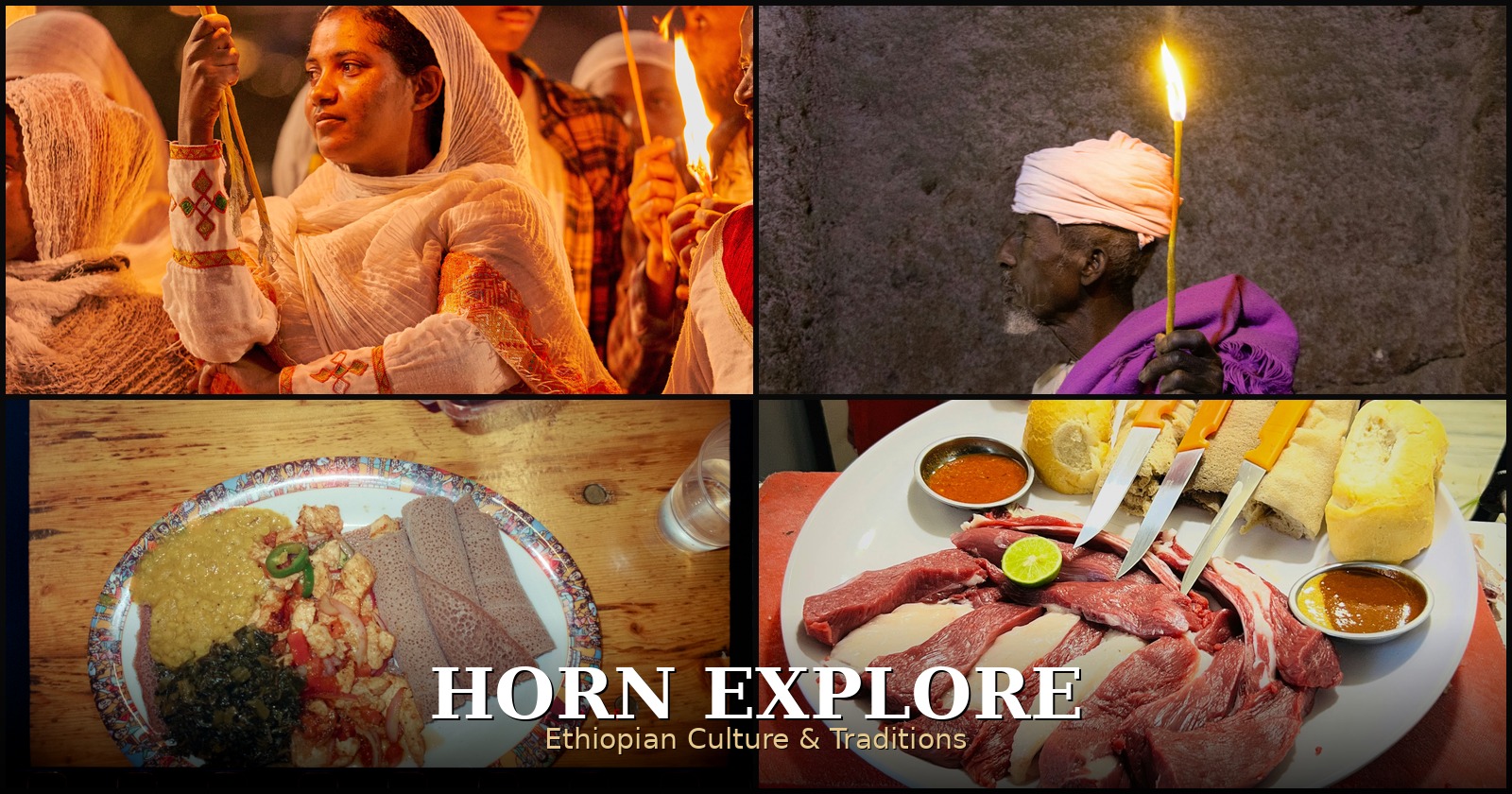
If your trip lines up with mid-to-late January, plan to be in Gonder for Timkat, the Ethiopian Orthodox celebration of Epiphany, marking Christ's baptism in the Jordan River. On the eve of the festival, replicas of the Ark of the Covenant — kept in every Orthodox church — are carried in procession, wrapped in ornate cloth, to a nearby body of water, accompanied by priests in elaborate vestments, chanting, drumming, and crowds dressed in dazzling white traditional cotton.
The following morning, the water is blessed and crowds surge forward to be sprinkled or even submerged in it, a joyful, chaotic reenactment of baptism that draws pilgrims from across the country. Gonder's Fasiladas' Bath is widely considered the most spectacular place to witness it, but Addis Ababa and Lalibela also hold major celebrations.
Best time to go: Around 19 January every year (dates can shift slightly with the Ethiopian calendar).
Good to know: Book accommodation in Gonder well in advance — this is one of the busiest weeks of the year there.
9. Ethiopian Wolves in the Bale Mountains
The Bale Mountains are home to the Ethiopian wolf, the rarest canid on the planet, with a total wild population numbering only in the low hundreds. The high-altitude Sanetti Plateau, sitting above 4,000 metres, is one of the only places on Earth where sightings are close to guaranteed — the wolves hunt giant mole rats in open daylight, largely unbothered by vehicles moving slowly along the plateau road.
Beyond the wolves, the Bale Mountains hold striking ecological variety: Afro-alpine moorland on the plateau, giving way to the Harenna Forest below, where ancient trees are draped in "old man's beard" lichen and the escarpment drops away dramatically. Remarkably, the Sanetti Plateau road is the highest all-weather road in Africa, meaning you can take in this landscape without ever leaving your vehicle — though most visitors get out often.
Best time to go: Year-round, but November to March offers the clearest plateau weather.
Good to know: Altitude sickness is a real consideration above 4,000m — build in acclimatisation time if you're also trekking.
10. Whale Shark Encounters in the Gulf of Tadjoura
Every year between roughly November and January, whale sharks — the largest fish in the ocean, growing up to 12 metres long — gather in Djibouti's Gulf of Tadjoura to feed on seasonal plankton blooms. Unlike many whale shark destinations, sightings here are remarkably consistent and close to shore, making it accessible even for confident snorkellers rather than only experienced divers.
Swimming beside a creature that dwarfs a small boat, gliding calmly through blue water, is exactly as humbling as it sounds — and because whale sharks are filter feeders with no interest in humans, the encounter is as safe as it is unforgettable. Djibouti's clear, warm waters and lack of crowds make this one of the most underrated marine wildlife experiences anywhere in the world.
Best time to go: November to January for peak reliability.
Good to know: Responsible operators keep a respectful distance and limit swimmer numbers per shark — worth asking about before booking.
11. Floating in Lac Assal
At 155 metres below sea level, Lac Assal is the lowest point in Africa and the third-lowest point on Earth's land surface, and its salinity — roughly ten times that of the ocean — means you'll float here almost effortlessly, much like the Dead Sea. The lake sits inside a volcanic depression ringed by black basalt mountains, and its shoreline is crusted with dazzling white salt formations and angular gypsum crystals that locals have mined for centuries, some still transported by camel caravan.
Add the surreal colour contrast — turquoise water, white salt shore, black volcanic peaks — and it's easy to see why this is Djibouti's single most photographed natural landmark.
Best time to go: Cooler months, November to March; midday light gives the strongest colour contrast on the salt flats.
Good to know: The lake is easily combined with Lac Abbé as a two-day loop out of Djibouti City.
12. A Table Full of Ethiopian Food
You haven't really experienced Ethiopia until you've torn into a shared plate of injera — the spongy, tangy sourdough flatbread made from fermented teff flour — using your hands to scoop up rich doro wat (spiced chicken stew), tangy shiro (chickpea stew), or smoky, peppery tibs (sautéed meat). Meals are almost always shared from one large communal platter, and the tradition of gursha — feeding a bite directly to someone else at the table as a gesture of affection or respect — says a lot about how central hospitality is to Ethiopian culture.
Coffee deserves its own mention here too: Ethiopia is widely regarded as the birthplace of coffee, and the traditional coffee ceremony — beans roasted, ground, and brewed fresh in front of you over incense — is as much a social ritual as it is a drink.
Best time to go: Every day, ideally more than once.
Good to know: Fasting days (common in the Orthodox calendar) bring out excellent vegan dishes across the country — worth seeking out even if you're not fasting yourself.
13. Standing on the Edge of the Danakil Depression
One of the hottest, lowest, and most volcanically active places on Earth, the Danakil Depression sits more than 100 metres below sea level and regularly records some of the highest average year-round temperatures anywhere on the planet. At Dallol, hydrothermal fields glow neon yellow and acid-green from sulphur, iron oxide, and salt deposits, while at Erta Ale — one of only a handful of volcanoes on Earth with a semi-permanent lava lake — visitors can, conditions permitting, stand at the crater rim at night and look down into glowing molten rock.
Just as striking are the Afar people, who have carved out a living here for centuries, mining salt slabs by hand from the Assale salt flats and transporting them by camel caravan along routes that haven't fundamentally changed in generations. Access requires an organised multi-day expedition — there are no independent roads or services out here, and the heat alone demands serious preparation — but for travellers who make the journey, the sense of standing somewhere genuinely elemental is unmatched anywhere else in Africa.
Best time to go: November to February, avoiding the most extreme summer heat.
Good to know: This is a physically demanding, logistically complex trip — armed escorts and organised convoys are standard practice given the remoteness and border-area sensitivities.
14. The Energy of Addis Ababa
Most journeys through Ethiopia begin and end in Addis Ababa, and the capital deserves more than a layover. At over 2,300 metres, it's one of the highest capital cities in the world, with a pleasantly mild climate year-round despite sitting almost on the equator. The National Museum houses "Lucy" (Dinkinesh), the 3.2-million-year-old hominin fossil that reshaped our understanding of human origins, while the Ethnological Museum — housed in Emperor Haile Selassie's former palace — offers a deep dive into the country's dozens of ethnic groups and traditions.
Beyond the museums, Addis has one of the most dynamic food, coffeehouse, and nightlife scenes on the continent, with the city's rapid modernisation visible in its skyline from one visit to the next. It's a fitting bookend to a country that is every bit as dynamic as its landscapes.
Best time to go: Year-round, though October to February brings the clearest, driest weather.
Good to know: Addis Ababa Bole International Airport is the main gateway for onward travel to Lalibela, Gonder, the Omo Valley, and Djibouti.
Ready to See It for Yourself?
This list only scratches the surface of what Ethiopia and Djibouti have to offer — and the real magic is in stringing these highlights together into one seamless journey, rather than trying to piece them together on your own. That's exactly what we build at Horn Explore. Our 21-Day Horn of Africa Odyssey weaves together Ethiopia, Djibouti, and Somaliland into a single expedition, and our 2-Day Lake Abbé & Lake Assal private tour is the perfect way to experience Djibouti's two most surreal landscapes back to back.
Whether you have four days or four weeks, our team designs private, fully guided itineraries built around the Horn of Africa's most extraordinary places — and a few that never make it into any guidebook.
Talk to Horn Explore about planning your Ethiopia & Djibouti trip → https://hornexplore.com
Horn Explore — Authentic Horn of Africa Tours & Expeditions.



Comment (0)
Leave A Comment: